
FBI Background Check in Venice: Islands, Mainland and the Italian Paperwork After the Prints
Venice makes simple errands complicated: no cars in the historic centre, addresses that are a district and a number, and trips that mean a boat, a bridge and a walk. Here is how to plan a fingerprinting appointment, which Italian offices authenticate what, and the translation questions to ask.
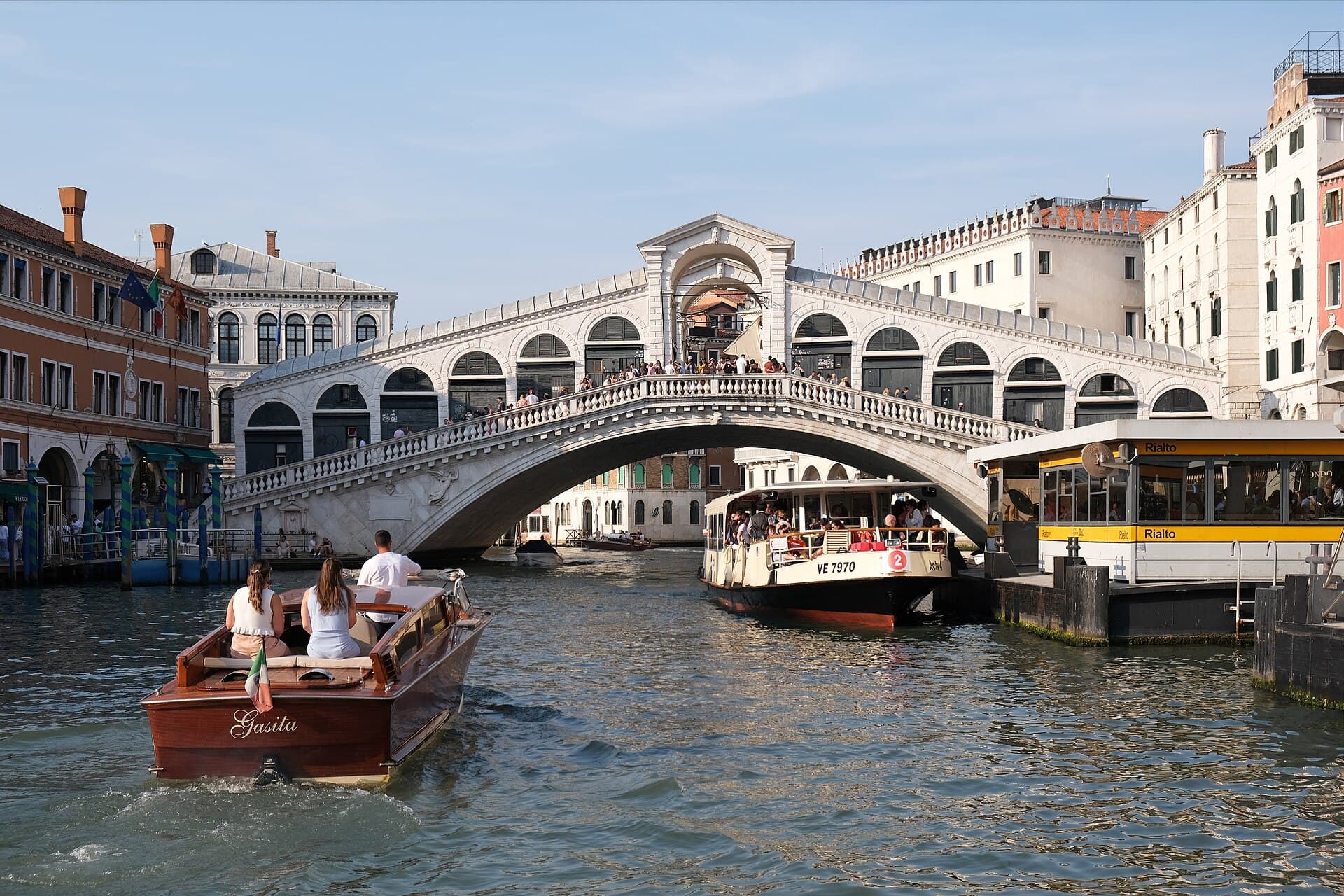
Venice makes simple errands complicated. There are no cars in the historic centre, an address is a district name and a number, and a short trip can mean a boat, a bridge, and a long walk. A fingerprinting appointment is no different. Before you think about the FBI card, you need a plan for where the technician will meet you and how the finished document will travel.
This guide is for people who already live in Venice and the surrounding area. It covers the local logistics, the Italian offices involved in authentication, and the language questions that tend to come up. For Italy-wide basics, see our Milan guide.
Plan Your Location First
Venice has several different settings, and the one you live in changes the practical plan.
| Where you live | What to think about |
|---|---|
| Historic centre (San Marco, Castello, Cannaregio, Dorsoduro, San Polo, Santa Croce) | Addresses are numbered by district, not by street, so give an exact address, the name on the doorbell, and the nearest landmark or boat stop |
| Giudecca and the Lido | Reaching an island adds travel time, so confirm timing and any travel charge before booking |
| Mestre and Marghera | These are on the mainland, and access is more like a typical Italian city |
| Anywhere in the lagoon area | Ask whether the address is in a place we cover before you plan around it |
Coverage and appointment times vary by location, and travel charges apply for mobile appointments. Tell us the exact address when you book and we will confirm availability.
Why Fingerprints Come First
An FBI Identity History Summary starts with fingerprints. The FBI requires a current fingerprint card and advises taking multiple sets, preferably by a fingerprinting technician. The U.S. State Department says U.S. embassies and consulates abroad do not provide fingerprinting services, so the card has to come from another provider.
Once you have a clean card, it is submitted to the FBI with the matching request. The FBI names the FD-1164 for certain routes; our FD-258 guide explains the two common cards.
The Italian Side: Who Asks and Who Authenticates
People already in Venice are often asked for an FBI record in connection with residence, citizenship, work, or other administrative procedures. The details depend on the route and on the office, so ask the office handling your case rather than relying on a general list. Two points are worth knowing:
- The apostille on an FBI record comes from the United States. Italy is a Hague Convention member, and the Convention has been in force for Italy since 11 February 1978. A foreign document is apostilled in the country that issued it, so a U.S. record is apostilled by the U.S. Department of State, not by an office in Venice
- Italian offices apostille Italian documents. According to the Italian Interior Ministry's list of competent authorities, the Public Prosecutor (Procuratore della Repubblica) issues apostilles for judicial and notarial acts, and the territorially competent Prefect issues them for other administrative acts. For documents issued in Venice, that means the offices covering the Venice area, so ask which one applies to your document
Translation and Language
One published Italian-visa guide says the Italian consulate or the Questura will not accept an English-language document and that a sworn translation (traduzione giurata) is needed. That guide is a secondary source and says requirements vary, so treat it as a prompt to ask, not as a rule. In Venice, ask the office three questions:
- Does the FBI record need to be translated into Italian?
- If so, does it need a sworn translation?
- Should the translation be attached to the apostilled original or to a copy?
Don't order a translation until the office confirms, since it adds cost and time.
How Recent Must the Record Be?
Offices differ on how recent a record must be. The same guide says many Italian consulates treat a record as valid for six months from its issue date, with the clock starting when the FBI issues the report. Whether that applies to your case depends on the office. Ask before you start, because a record that is too old by the time the apostille and translation are done may have to be repeated.
A Venice-Friendly Plan
- Ask the Italian office which record, how recent, whether apostille and translation are required, and by when
- Book fingerprinting with an exact address, the doorbell name, and a nearby landmark, and mention any access constraint
- Prepare your hands the week before: moisturise lightly, avoid harsh chemicals, and wash and dry your hands on the day
- Send the card with a trackable service and keep the tracking number
- Order the apostille and translation only after the office confirms
- Choose a delivery point you can reach. If a courier can't easily reach your doorstep in the historic centre, ask about a delivery point or an alternative address
How Printwise Global Helps in Venice
We confirm the card your request needs, offer fingerprinting by appointment where we cover your address, review the card before it is sent, and explain the apostille and translation steps that may follow. Our pricing is competitive and transparent, with our fee shown separately from government and third-party costs. See also our Italy page.
Frequently asked questions
Give us the full address, the name on the doorbell, and a nearby landmark or boat stop. It helps the technician find you and avoids lost time.
Coverage and appointment times vary by location. Send us the address and we will confirm, and we will quote any travel charge before you book.
Tell us as early as you can. We will talk through rescheduling with you.
No. A U.S. record is apostilled by the U.S. authorities. The Italian authorities apostille Italian documents.
According to the Italian Interior Ministry's list, the territorially competent Prefect issues apostilles for administrative acts, and the Public Prosecutor issues them for judicial and notarial acts.
It entered into force for Italy on 11 February 1978.
It depends on the office. One published guide says English-language documents are not accepted by the consulate or Questura, but requirements vary, so ask before you order one.
Ask the office. A published guide says many Italian consulates treat a record as valid for six months from its issue date, but that is not a universal rule.
Addresses are numbered by district, and access is on foot. Ask the courier about delivery options or use a delivery point you can reach.
We offer fingerprinting by appointment where we cover your address. Coverage and appointment times vary, so check availability when you book.
The Printwise Team
Identity Verification Specialists
Printwise Global is an international identity-verification company providing certified fingerprinting, FBI and RCMP background checks, apostille, and certified translation. Our specialists manage cross-border document requirements end to end for clients across the USA, Canada, the UK, India, and beyond.