

FBI Background Check in Toronto: Immigrating to Canada, and What Canada's 2024 Apostille Change Means for Your Documents
Immigrating to Canada after time in the U.S.? IRCC names the FBI Identity History Summary as the police certificate it wants. Here is who needs it, why Canada cannot apostille it, and how Canada's 2024 move to the Apostille Convention affects documents you send abroad.
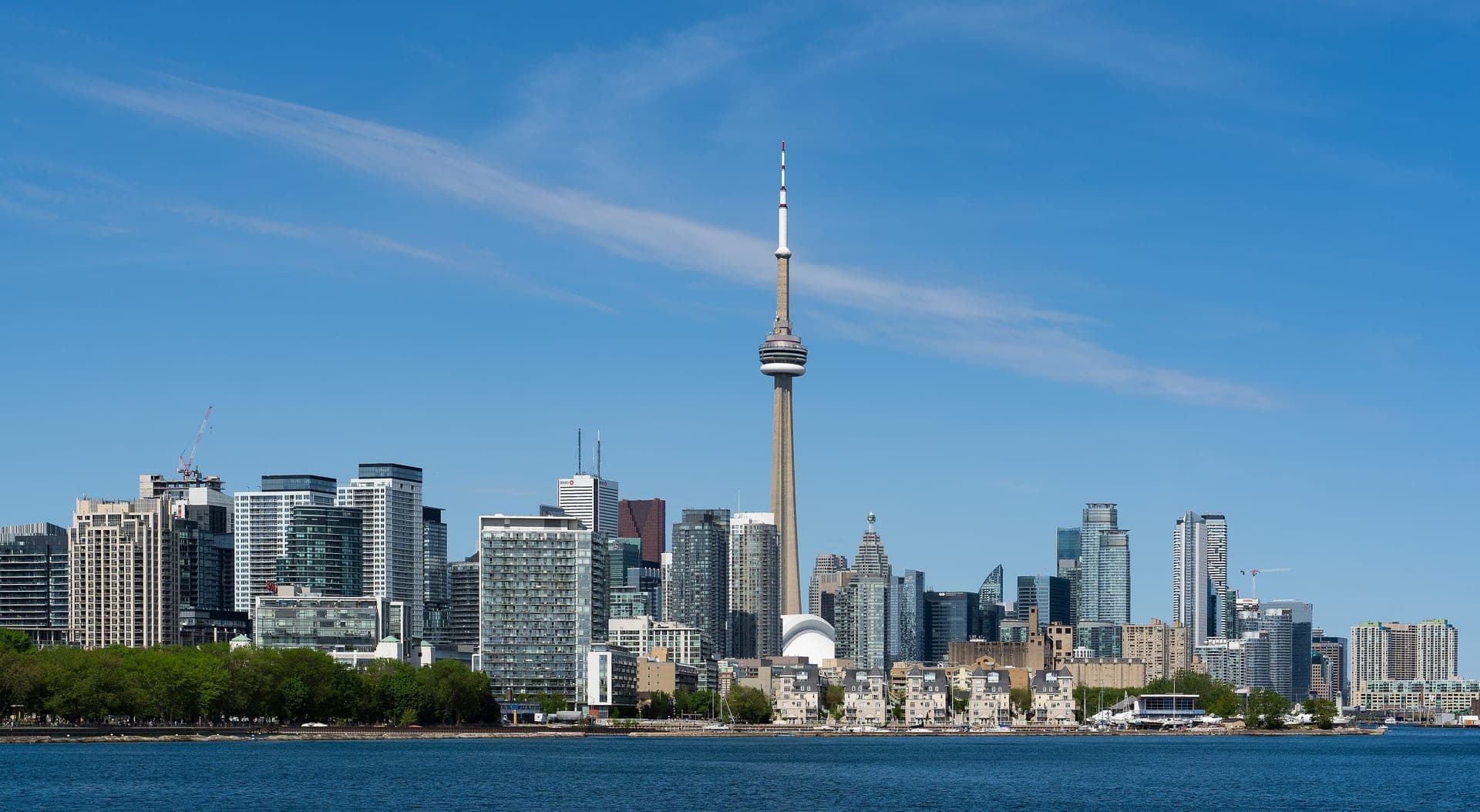
Toronto is a city of newcomers, and many of them have a United States chapter in their past. Moving to Canada as a permanent resident or citizen often means proving what your record looks like in every country where you have lived. For anyone who spent time in the U.S., that proof is an FBI Identity History Summary.
Canada also changed how its own documents travel. Since 11 January 2024, Canadian public documents can carry an apostille. This guide covers both directions: the U.S. record Canada asks for, and the Canadian paperwork you may need to send out.
The Short Answer
- Immigration Canada asks for the FBI summary by name. The IRCC page for U.S. police certificates lists the "Identity History Summary issued by the Federal Bureau of Investigation (FBI)" as the document, and it was last modified on 17 June 2025
- It is needed for certain applications. IRCC says a police certificate is required for permanent residence, citizenship and some temporary residence programmes. Check your own application package
- Fingerprints for a police certificate are not your biometrics. IRCC says giving fingerprints for a police certificate is different from giving biometrics for your application
- Canada cannot apostille an FBI record. Global Affairs Canada lists documents of foreign origin among those it cannot authenticate, and Ontario says documents issued outside Canada are not eligible
- Outbound Canadian documents have two possible offices. Ontario issues apostilles for Ontario-issued and Ontario-notarised documents, and Global Affairs Canada handles federal documents and several other provinces
Coming to Canada: The U.S. Record
The IRCC page says you can request the summary online through the FBI's website, and it also lists the FBI's mailing address in Clarksburg, West Virginia for a mailed request. It does not state validity periods, translation rules, fees or processing times, so look at the checklist in your own application for those. Timing is where many applications stall, so confirm how recent the record must be before you apply.
Two cautions. First, a record from a state or local agency is a different document from the FBI summary, and the IRCC page we reviewed does not say whether one is accepted in its place. Second, if you lived in several countries, each one is a separate certificate with its own issuer and timeline.
Going the Other Way: Canadian Documents Abroad
If a foreign office wants a Canadian record or certificate with an apostille, the answer depends on who issued it.
| Document | Where the apostille comes from |
|---|---|
| Ontario-issued or Ontario-notarised document | Official Documents Services, 777 Bay Street, Lower Level, Toronto |
| Government of Canada document | Global Affairs Canada |
| Documents from Manitoba, New Brunswick, Newfoundland and Labrador, Nova Scotia, PEI, the territories | Global Affairs Canada |
| Document of foreign origin, such as an FBI summary | Neither. Authenticate it in the country that issued it |
Ontario's page lists $16 for a notarised legal document and $32 for an Ontario government official document, mail-in requests within 15 business days, and an in-person wait of about 30 minutes if your documents are complete. Ontario does not mention police record checks on that page, and Global Affairs Canada's page does not name RCMP checks. Whether a particular police certificate needs notarisation first is therefore something to confirm with the issuing office before you pay. Global Affairs Canada says it does not charge a fee.
Who Apostilles the FBI Record?
Not Canada. The U.S. State Department says FBI and police records go to its Office of Authentications for an apostille if one is needed. For the sequence, read our FBI apostille walkthrough.
Three Toronto Situations
You are applying for permanent residence after living in the U.S.
Read your IRCC document checklist, list each country of residence and start the FBI request early, since the fingerprint step comes first.
You are a Canadian citizen asked for an FBI record by a foreign employer
Ask whether a Canadian record, a U.S. record or both are wanted. They come from different agencies.
You are sending Ontario documents abroad
Check eligibility on Ontario's authentication portal, book through Official Documents Services and confirm with the foreign recipient whether an apostille is enough.
Getting Fingerprinted in Toronto
U.S. consulates do not take fingerprints for the FBI, according to the State Department. A technician who knows how to roll a card cleanly lowers the chance of smudged or incomplete impressions, and rolling your own raises it (see why). If a card is returned, this guide covers the next step.
Appointments are by arrangement, with some areas reachable by mobile visit. If you are downtown, in North York, Mississauga, Scarborough or Etobicoke, send us your address and we will say what is possible and whether a travel charge applies. Coverage varies by location.
A Practical Plan for Toronto
- Open your IRCC checklist and write down every country that needs a certificate
- Choose the FBI request route and confirm which card it needs, typically the FD-258, with the FBI naming the FD-1164 for certain mailed requests
- Book a technician a few weeks before your deadline
- Courier the card and save the tracking number
- Do not apostille in Canada. Only add an apostille if the receiving office asks, and use the U.S. State Department
- Check dates. Keep the record inside any age limit your application sets
How Printwise Global Helps in Toronto
For Toronto clients we establish which fingerprint card your request calls for, schedule an appointment where your address is covered, review the finished card before it is sent and explain the apostille or translation step that may follow. Pricing is competitive and transparent, with our fee shown separately from government and third-party costs. See also our Canada page.
Frequently asked questions
IRCC's U.S. police certificate page names the FBI Identity History Summary as the required document.
IRCC says applicants for permanent residence, citizenship and some temporary residence programmes. Check your own application instructions.
No. IRCC says fingerprints for a police certificate are different from biometrics given for an application.
No. Global Affairs Canada says it can only authenticate Canadian documents, and Ontario says documents issued outside Canada are not eligible.
Official Documents Services, at 777 Bay Street in Toronto, for Ontario-issued and Ontario-notarised documents.
Ontario lists $16 for a notarised legal document and $32 for an Ontario government official document. Confirm current fees.
Its page says it does not charge a fee for its service.
Canada's accession took effect on 11 January 2024, according to Global Affairs Canada.
Usually the FD-258 applicant card. The FBI names the FD-1164 for some mailed requests, so check which applies.
Yes, by appointment where your address is covered, with a travel charge for mobile visits. Availability varies by location.
The Printwise Team
Identity Verification Specialists
Printwise Global is an international identity-verification company providing certified fingerprinting, FBI and RCMP background checks, apostille, and certified translation. Our specialists manage cross-border document requirements end to end for clients across the USA, Canada, the UK, India, and beyond.