

FBI Background Check in Bangkok: Legalisation Now, Apostille From 28 February 2027
Thailand has joined the Hague Apostille Convention, but it does not take effect there until 28 February 2027. Until then, an FBI record used in Thailand generally follows the older legalisation route. Here is which route applies when, which Thai visas ask for a record, and how fingerprinting works in Bangkok.
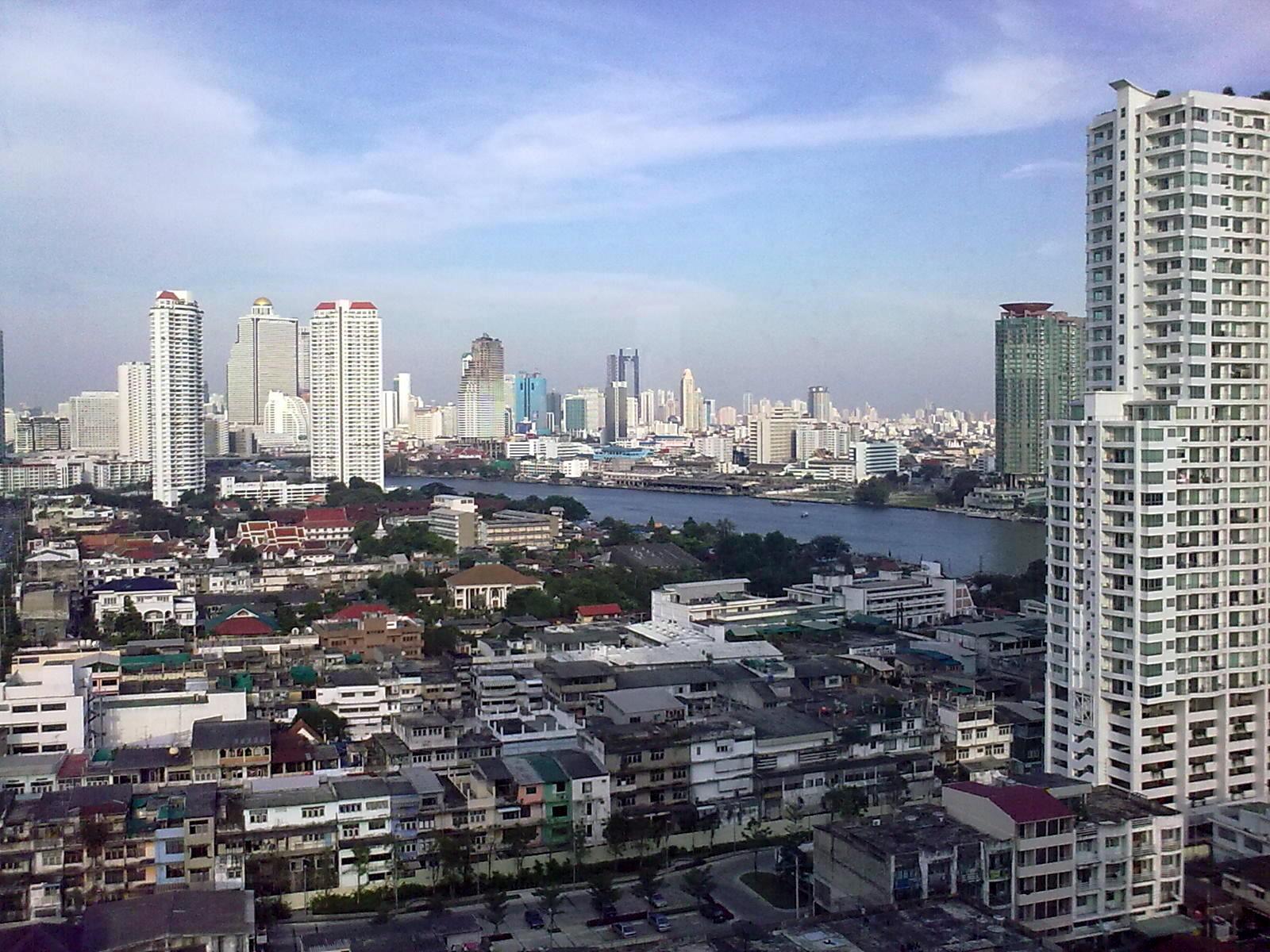
Need an FBI background check in Bangkok? The fingerprints are the easy part to plan. The harder question is timing. Thailand has joined the Hague Apostille Convention, but the Convention does not take effect there until 28 February 2027. Until then, a U.S. record used in Thailand generally follows the older legalisation route.
This guide explains which route applies on which date, which Thai visa categories ask for a criminal record, how the FBI record differs from a Thai police clearance, and how fingerprinting works for people in Bangkok.
The Short Answer
- Thailand deposited its accession on 30 June 2026. According to the Hague Conference, the Convention enters into force for Thailand on 28 February 2027, subject to the objection period for existing members
- Before that date, expect legalisation. A U.S. federal record is authenticated by the U.S. State Department and then legalised by a Thai embassy or consulate
- After that date, an apostille is expected to replace the embassy step for most Convention countries. That is the usual effect of the Convention, but Thailand has not published implementation details, so confirm them close to your filing date
- The fingerprints do not change. The FBI requires a current card, and U.S. embassies and consulates abroad do not take fingerprints, according to the U.S. State Department
- Not every visa asks for a record. One Thai consulate lists an FBI record for the O-A and O-X long-stay visas but not for the Non-Immigrant O retirement visa
Which Route Applies When
| Step | Until 27 February 2027 | From 28 February 2027 |
|---|---|---|
| Fingerprints on a current card | Needed | Still needed |
| FBI Identity History Summary | Needed | Still needed |
| U.S. authentication | State Department authentication | State Department apostille, expected |
| Thai embassy legalisation | Generally needed | Generally no longer needed, expected |
| Translation into Thai | Ask the receiving office | Ask the receiving office |
The Hague Conference's announcement gives the dates but does not name Thailand's apostille authority. Several secondary sources, including a Thai law firm's update, name the Department of Consular Affairs of the Ministry of Foreign Affairs, but we could not confirm this on the Hague Conference's own list of authorities, so treat it as unconfirmed. Those sources also say the fee, the certificate form and the application channels have not been published. A document-processing service's October 2026 update says the embassy step would likely be replaced by a single State Department apostille. Treat the "after" column as an expectation and check it before you order anything.
Three points we could not confirm
- Objections. Existing member countries have six months from the 30 June 2026 deposit, to about 30 December 2026, to object. A secondary source says none had been recorded as of 4 October 2026. Where a country objects, the Convention does not apply between it and Thailand and the embassy route continues. Embassy legalisation also continues for countries that are not Convention members. So the embassy step ends only for documents between Thailand and non-objecting Convention countries
- Acceptance by the Thai receiving office. No source we reviewed confirms that every Thai ministry, visa office or employer will accept a U.S. apostille from 28 February 2027, and a secondary source notes that Thailand's Ministry of Foreign Affairs had not yet published detailed guidelines
- Documents legalised before the date. None of the sources we reviewed says whether documents legalised before 28 February 2027 stay valid afterwards. If you can, file with the Thai office before the date, or ask it in writing whether an earlier legalisation will still be accepted
The Legalisation Route in Practice
The Royal Thai Embassy in Washington says on its page for U.S. documents that it does not accept an apostille and that only documents bearing the State Department seal qualify. It lists these requirements:
- Authentication first. The document must first be authenticated, with state-issued documents going through the issuing state's Secretary of State and then the U.S. State Department
- Fee and timing. The embassy charges USD 15 per document, payable by money order or cashier's check, and lists about 21 business days in total, with no expedited service
- Jurisdiction. It only legalises documents issued in its own jurisdiction, so a different Thai mission may handle your case
An FBI record is a federal document. The U.S. State Department says FBI and police records can be sent to its Office of Authentications for an apostille if necessary, and you should specify the country where the document will be used. The embassy page we reviewed is dated 2023 and does not mention FBI records, so confirm the current steps, fees and jurisdiction with the Thai mission that will handle your document. Our Thailand document legalization page covers the route we coordinate.
Which Thai Visas Ask for a Criminal Record?
It depends on the visa and on the mission that processes it. The Royal Thai Consulate General in Los Angeles lists an FBI criminal record certificate, issued within three months, for the O-A and O-X long-stay visas, and does not list one for the Non-Immigrant O retirement visa. The same page sets a minimum age of 50 and does not say whether the certificate must be legalised or apostilled.
Other missions and visa types set their own lists, and requirements change. Ask the Thai mission that will process your visa for its current checklist in writing, including how recent the record must be and which authentication it wants.
FBI Record or Thai Police Clearance?
These are different documents for different questions.
| Document | Shows | Issued by | Fingerprints |
|---|---|---|---|
| FBI Identity History Summary | U.S. records | The FBI | On a current card, taken by a technician |
| Thai police clearance or criminal record check | Thai records | The Royal Thai Police | Required for the Thai check, according to a July 2026 news report |
| Home-country record (other countries) | That country's records | That country's authority | Depends on that country's process |
A July 2026 report says Thailand's Criminal Records Division no longer accepts name-only checks and requires fingerprints, and that non-Thai applicants must also submit an official letter from the relevant agency. The report does not give an effective date, so confirm the current procedure with the Police Clearance Service Centre before you apply. Printwise Global does not issue Thai police records. If you are leaving Thailand and a foreign office asks for a Thai record, that request goes to the Thai authorities.
Three Bangkok Situations
You live in Bangkok and a Thai office asks for an FBI record
A visa file, work permit application or licensing body may want the U.S. record. Ask which visa category it is for, how recent the record must be, and whether you need State Department authentication plus Thai embassy legalisation, or an apostille once the date has passed.
You are in Bangkok and a U.S. office wants an FBI record
Maybe you are applying back home. The order is the same: a clean card first, then the FBI request, then an apostille only if the receiving office asks.
You are leaving Thailand
A foreign office may want a Thai police record alongside the FBI record. Each has its own issuer and its own timeline. Our Manila guide covers a similar local-record versus FBI question, and our Hanoi guide shows how another Southeast Asian country's move to the Convention played out.
Getting Fingerprinted in Bangkok
Do not plan on the U.S. Embassy for this. The State Department states that U.S. embassies and consulates abroad do not provide fingerprinting services. A trained technician with a clean ink card is the safer route, and our guide to taking your own fingerprints at home explains why.
Printwise Global offers fingerprinting by appointment where we cover your location, including mobile appointments where available. Bangkok traffic can turn a short hop into a long trip, so the exact address matters. Tell us if you are around Sukhumvit, Asok, Thonglor, Ari, Silom, Sathorn, Ratchada, Lat Phrao or Bang Na, and we will confirm availability and any travel charge. Coverage and appointment times vary by location.
A Practical Plan for Bangkok
- Start with the written requirement. Which record, how recent, and which authentication is accepted
- Note the date. Before 28 February 2027, plan for legalisation. After it, ask the Thai office whether a U.S. apostille is accepted and whether earlier legalisations stay valid
- Book fingerprinting with your full address, allowing for Bangkok traffic
- Send the card with a trackable courier and keep the tracking number. Unsure who can send it? See Can Someone Submit My Fingerprint Card for Me?
- Order authentication only after the office confirms. An FBI record is authenticated by the U.S. State Department
- Check the age limit. A record that is too old by the time everything is assembled may have to be repeated, and one consulate lists three months for the long-stay visas
How Printwise Global Helps in Bangkok
We work out which card your request needs, offer fingerprinting by appointment where we cover your address, check the card before it goes out and explain the authentication, legalisation or apostille steps that may follow. Our pricing is competitive and transparent, with our fee shown separately from government and third-party costs. See also our Thailand page.
Frequently asked questions
Yes. You can request an FBI Identity History Summary while living in Thailand. You will need to arrange fingerprint capture on a current card and submit the request through an accepted FBI submission route. If the record is for use in Thailand, check which authentication the receiving office requires.
Thailand deposited its accession on 30 June 2026. According to the Hague Conference, the Convention enters into force for Thailand on 28 February 2027. Existing members have a six-month window to object.
Until the Convention takes effect, a U.S. record generally goes through State Department authentication and Thai embassy legalisation. The Royal Thai Embassy in Washington says it does not accept an apostille. Confirm with the mission that will handle your document.
For most Convention countries, an apostille is expected to replace the embassy legalisation step. Embassy legalisation continues for countries that object and for non-members. Thailand's apostille authority could not be confirmed on the Hague Conference's list, and no source we reviewed says whether earlier legalisations stay valid, so confirm before filing.
According to the U.S. State Department, FBI and police records can be sent to its Office of Authentications for an apostille if necessary. For the legalisation route, the Thai embassy step follows.
One Thai consulate lists a criminal record for the O-A and O-X long-stay visas but not for the Non-Immigrant O retirement visa. Other missions may differ, so ask the mission handling your case.
One consulate lists three months for the long-stay visas. The office asking for it may set a different limit.
No. The Thai record shows Thai records and comes from the Royal Thai Police. The FBI Identity History Summary shows U.S. records.
A July 2026 report says name-only checks are no longer accepted and fingerprints are required. Confirm the current procedure with the Thai authorities.
No. The U.S. State Department states that U.S. embassies and consulates abroad do not provide fingerprinting services.
We offer fingerprinting by appointment where we cover your address, including mobile appointments. Coverage and appointment times vary by location, and travel charges apply for mobile appointments.
The Printwise Team
Identity Verification Specialists
Printwise Global is an international identity-verification company providing certified fingerprinting, FBI and RCMP background checks, apostille, and certified translation. Our specialists manage cross-border document requirements end to end for clients across the USA, Canada, the UK, India, and beyond.